Ladybug Papers: 16 Adorable, Versatile Designs
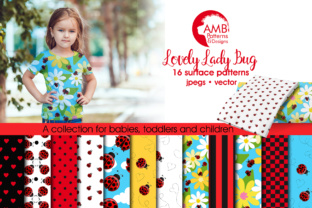
Imagine opening a digital pack and finding 16 professionally crafted, high-resolution pattern papers—each bursting with charm, cohesion, and quiet sophistication. Ladybug Papers AMB-1059 delivers exactly that: a thoughtfully curated collection where every design features original, hand-drawn ladybugs nestled among flowers, drifting on soft clouds, or playfully integrated into stripes, polka dots, and checkerboards—all color-coordinated for visual harmony.
This isn’t just “cute.” It’s intentional. Each paper is built to support real creative work—not just decoration, but communication, branding, and connection. Whether you’re designing a birthday invitation for a toddler’s garden-themed party or sourcing print-ready assets for a boutique stationery line, Ladybug Papers bridges inspiration and execution.
Why These Patterns Stand Out
Many clipart-based pattern packs sacrifice quality for quantity—or charm for versatility. Ladybug Papers avoids both pitfalls. Every design is created from original, high-quality clipart (no traced vectors or AI-generated placeholders), ensuring authenticity and scalability. At 12 inches × 12 inches and 300 dpi, each JPEG holds up beautifully in print: crisp on gift wrap, sharp on fabric labels, and richly detailed on planner stickers or washi tape.
The color coordination across the set means mixing and matching feels effortless—not chaotic. A polka-dot paper with coral ladybugs pairs naturally with a cloud-patterned sheet in muted sage and buttercream. That consistency saves time during layout, reduces decision fatigue, and helps maintain brand voice—even when working across multiple formats.
Creative Uses Across Real Projects
Here’s where Ladybug Papers proves its flexibility—not as a one-off download, but as a foundational toolkit:
- Party & Event Design: Print cupcake toppers on cardstock, cut favor tags with a die-cut machine, or layer patterns behind digital invitations. One user printed the floral-ladybug paper on kraft envelopes—then added twine and dried lavender for a cohesive, tactile invitation suite.
- Small Business Branding: Boutique baby clothing lines use the softer pastel patterns for hang tags and care labels; educators print the cloud-and-ladybug designs on classroom reward certificates or behavior charts—adding warmth without sacrificing clarity.
- Print-on-Demand & Fabric: Because all files are print-ready JPEGs at true 300 dpi, they integrate smoothly into platforms like Printful or Spoonflower. One freelance textile designer used three complementary patterns to create a coordinated line of organic cotton onesies, bibs, and swaddle blankets—launched with consistent visuals across Etsy and Instagram.
- Digital + Analog Hybrid Workflows: Planners, bullet journals, and habit trackers benefit from printable sticker sheets. Export individual ladybug motifs (by cropping) to build custom icon sets—then layer them over neutral backgrounds for contrast and personality.
Adapting for Your Audience & Goals
Who you’re designing for shapes how you use Ladybug Papers—and smart adaptation starts with intentionality, not decoration.
For educators: Prioritize legibility and calm energy. Use the cloud-based patterns as subtle notebook dividers or reading log backgrounds—soft enough to soothe, distinct enough to organize. Avoid overly dense motifs for younger students; instead, pair a single ladybug motif with clear typography for classroom rules posters.
For marketers and small business owners: Treat the pack like a micro-brand system. Select two or three anchor patterns—one for primary packaging (e.g., the striped ladybug paper on gift boxes), one for digital banners (cloud + flower combo for email headers), and one neutral accent (like the minimalist checkerboard) for receipts or thank-you notes. Consistency builds recognition faster than novelty ever could.
For crafters and hobbyists: Don’t limit yourself to paper-only uses. Try heat-transfer printing the ladybug motifs onto cotton tote bags using iron-on vinyl, or laser-print onto printable fabric sheets for quilt blocks. One scrapbooker scanned vintage botanical illustrations, then digitally layered them *over* the ladybug papers—creating hybrid pages that felt both nostalgic and fresh.
Keeping Results Clear, Consistent, and Original
Having great assets doesn’t guarantee great outcomes. Clarity comes from restraint. When using Ladybug Papers, ask: What’s the core message or function here? A gift tag needs quick readability—not maximal pattern density. A planner sticker benefits from contrast between motif and background, not competing textures.
To preserve originality: avoid overusing the most obvious “ladybug-on-flower” motif as a default. Instead, explore unexpected combinations—like pairing the polka dot paper with handwritten calligraphy for a modern baby shower menu, or using the checkerboard as a subtle border around a minimalist quote graphic.
And remember: resolution matters. Because each file is delivered at full 300 dpi, resist resizing upward in editing software. If you need a smaller repeat tile for web use, downsample intentionally—don’t stretch. That discipline keeps your final output clean and professional, whether it’s a printed ribbon or a social media banner.
Final Thought: Tools Enable, But Vision Directs
Ladybug Papers won’t replace your judgment—but it can sharpen it. With 16 cohesive, high-fidelity patterns at your disposal, you spend less time hunting for “just right” assets and more time solving problems: How do we make this invitation feel joyful but not childish? How do we signal eco-consciousness through texture and tone—not just copy? How do we build a visual thread across physical and digital touchpoints?
That’s the quiet power of a well-made resource. It doesn’t shout. It supports. It stays out of the way—until it’s exactly what you needed.