Floral Papers
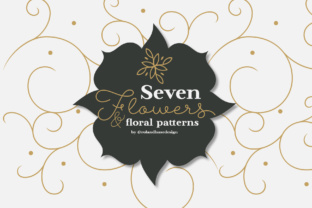
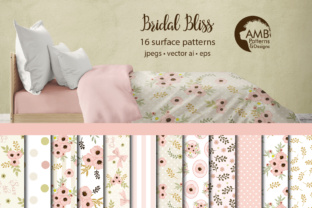
Floral Papers aren’t just another collection of digital backgrounds—they’re a thoughtful response to how creators, small business owners, and design-savvy professionals work today. In an era where visual consistency matters more than ever—whether you’re launching a boutique stationery line, designing a baby shower suite, or building a cohesive brand identity—having access to high-fidelity, versatile, and stylistically unified patterns makes a measurable difference. The 16 Beautiful floral digital papers in the Floral Papers AMB-1314 set reflect this shift: soft pastel apricots, muted greens, delicate pinks, and subtle gold accents come together in shabby chic arrangements that feel both timeless and freshly relevant.
Why tileable floral patterns matter now more than ever
Tileability isn’t a technical footnote—it’s a workflow necessity. Designers no longer want to stretch, crop, or manually repeat elements to cover large surfaces like gift wrap, fabric yardage, or wall decals. With each pattern in this collection built to seamlessly repeat at 12 inches × 12 inches, users avoid pixelation, alignment errors, and time-consuming fixes. This is especially valuable for print-on-demand entrepreneurs who upload designs to platforms like Printful or Redbubble: a single, well-constructed tileable file reduces production delays, minimizes support tickets related to scaling issues, and supports faster prototyping. For educators crafting classroom resources or freelancers producing client-facing collateral, it means less time troubleshooting layout and more time refining messaging or storytelling.
Soft pastels and shabby chic aesthetics in modern creative practice
The color palette—apricot, sage, blush, and antique gold—isn’t chosen for trend-chasing alone. These hues align with broader shifts in consumer preference toward warmth, tactility, and quiet sophistication. Unlike high-contrast neon or maximalist motifs, these soft pastel florals support legibility (especially over printed text), age gracefully across seasons, and translate well across physical and digital touchpoints—from a linen tea towel to an Instagram story highlight icon. Shabby chic, as a style, bridges nostalgia and minimalism: slightly weathered edges, gentle layering, and organic imperfection lend authenticity without sacrificing polish. That balance resonates with audiences increasingly skeptical of overly produced visuals—and it gives creators room to express care, intention, and personality without shouting.
Practical versatility across real-world applications
Each of the 16 patterns was developed with multipurpose use in mind—not as theoretical possibilities, but as tested, functional assets. Consider these everyday scenarios:
- Small-batch product makers use them to design custom cupcake toppers and favour tags that match their packaging system—no need to commission separate illustrations for every item.
- Event planners and DIY hosts assemble printable invitation suites where background papers, envelope liners, and RSVP cards share visual continuity—reducing cognitive load for guests and reinforcing event tone.
- Scrapbookers and journalers layer these papers digitally or print them for mixed-media pages, knowing the resolution holds up under close inspection and ink blending.
- Fashion and textile designers scale them confidently for fabric printing, whether for limited-run baby rompers or branded tote bags—thanks to the 300 dpi resolution and seamless tiling.
- Educators and nonprofit communicators adapt them for handouts, certificates, or donor thank-you cards that feel personal yet professionally grounded—without licensing concerns tied to stock imagery.
This breadth isn’t accidental. It reflects how digital paper collections have evolved from niche craft tools into foundational design infrastructure—supporting everything from micro-business launches to community-driven projects.
Original clipart and intentional design craftsmanship
What separates this set from generic floral repeats is its origin story: every bloom, stem, and accent is drawn and arranged as original clipart—not traced, not AI-generated, not repurposed from public domain sources. That distinction shows up in subtle ways: consistent line weight across botanical elements, harmonious negative space between petals, and intentional variation in scale so no single motif dominates. Because these are hand-crafted compositions—not algorithmically assembled—the patterns breathe. They don’t fatigue the eye. And because they’re created with commercial reuse in mind, users avoid hidden legal friction when applying them to merchandise or client deliverables.
Resolution, format, and compatibility built for real workflows
Delivering each pattern as a standalone 12×12 inch JPEG at 300 dpi meets two critical needs: print readiness and software flexibility. JPEGs open instantly in Canva, Adobe Photoshop, Affinity Designer, Cricut Design Space, and even basic photo editors—no conversion steps, no plugin dependencies. The 12-inch square size accommodates standard scrapbook layouts, common fabric repeat dimensions, and most desktop publishing templates without cropping or distortion. And because files are delivered individually—not bundled into a ZIP with nested folders—users can drag-and-drop exactly what they need, when they need it. That kind of frictionless access matters when you’re juggling multiple deadlines or testing mockups on tight timelines.
How Floral Papers fits into evolving creative economies
Creative labor is increasingly project-based, cross-platform, and audience-aware. A wedding invitation designer may also manage social media graphics, produce email headers, and source printable decor—all while maintaining brand cohesion. Tools like Floral Papers reduce context-switching by offering a unified visual language across formats. Similarly, educators creating remote learning kits or therapists developing printable wellness tools benefit from having trustworthy, aesthetically aligned assets that communicate calm and care—without requiring design expertise. This isn’t about replacing skill; it’s about removing barriers to expression.
A note on sustainability and mindful creation
Digital papers contribute to more sustainable creative practices—not through marketing claims, but through measurable reduction in waste. Printing test swatches, ordering physical sample books, or discarding misaligned fabric prints all carry environmental costs. Having reliable, high-resolution digital assets upfront means fewer physical iterations, less material consumption, and more confident final outputs. That aligns with growing expectations—both internal and external—for responsible making, especially among consumers aged 25–45 who actively research brand values before purchasing.
Who benefits—and how they use it differently
It’s worth noting that the same floral paper might serve distinct purposes depending on the user:
- A freelance graphic designer uses one pattern as a background for a client’s holiday card series—and rotates variations for social media banners, keeping seasonal campaigns visually linked.
- A mompreneur launching a baby clothing line applies the apricot-and-gold pattern to onesie labels, hang tags, and packaging inserts—creating instant recognition before customers even read the logo.
- A teacher preparing end-of-year awards overlays student names onto a soft green floral paper, then prints on textured cardstock—transforming a simple certificate into something tactile and memorable.
- A content creator filming unboxings prints several patterns on kraft paper to build layered flat-lay backdrops—changing only the paper beneath products to refresh video aesthetics without new set builds.
None of these uses require advanced training. They rely instead on clarity of intent, consistency of execution, and respect for how people actually engage with design—in layers, across surfaces, and over time.
Looking ahead—without overpromising
Floral Papers won’t replace illustration skills, nor should it. What it does offer is reliability: a curated starting point that honors craft, supports scalability, and adapts quietly to changing needs. As tools become more accessible and audiences grow more visually literate, the value of well-made, ethically sourced, and thoughtfully composed digital assets only increases—not because they’re flashy, but because they let people focus on what matters most: their message, their audience, and their next meaningful step.